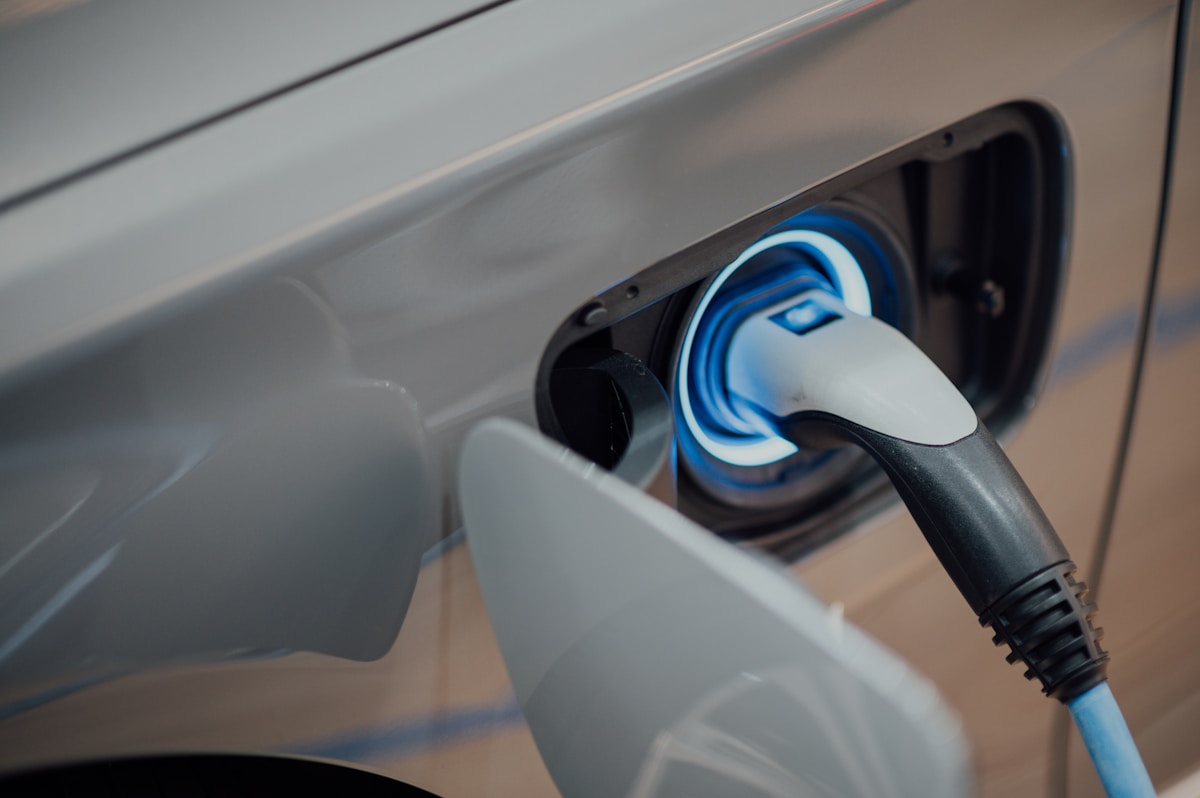
Complete guide to planning and implementing EV charging infrastructure in the UAE. Learn about charging standards, installation requirements, government incentives, and best practices for commercial properties.
# EV Charging Infrastructure Guide for UAE
The UAE is rapidly advancing its electric vehicle adoption goals, creating unprecedented demand for EV charging infrastructure. This comprehensive guide helps property owners, facility managers, and businesses plan and implement effective EV charging solutions.
## UAE EV Market Overview
The UAE government aims for 50% of vehicles to be electric by 2050, with Dubai targeting 42,000 EV charging stations by 2030. This ambitious vision creates significant opportunities for early adopters of EV charging infrastructure.
### Current Market Dynamics
**Growing EV Adoption**: EV sales in UAE grew 300% in 2023, driven by government incentives, expanding model availability, and improved charging infrastructure.
**Government Support**: Free registration, reduced parking fees, and free public charging incentives encourage EV adoption across the Emirates.
**Infrastructure Gap**: Despite rapid growth, charging infrastructure lags behind demand, creating opportunities for commercial property owners to attract EV-driving tenants.
## EV Charging Standards in UAE
### Charging Levels
**Level 1 (AC 3.7kW)**: Basic home charging, adding 15-20km range per hour. Suitable for overnight residential charging.
**Level 2 (AC 7-22kW)**: Standard commercial charging, adding 40-80km range per hour. Ideal for workplace and retail parking.
**Level 3 (DC 50-350kW)**: Fast charging, adding 200-500km range per 30 minutes. Essential for highway corridors and high-turnover locations.
### Connector Types
**Type 2 (AC)**: European standard adopted in UAE for AC charging. Compatible with most EVs sold in the region.
**CCS2 (DC)**: Combined Charging System for DC fast charging. Becoming the dominant standard for new EVs.
**CHAdeMO (DC)**: Japanese standard supported by Nissan and some other manufacturers. Gradually being phased out in favor of CCS.
## Planning Your EV Charging Installation
### Site Assessment
**Electrical Capacity**: Evaluate existing electrical infrastructure to determine if upgrades are needed. Level 2 chargers require 7-22kW per unit, while DC fast chargers need 50-350kW.
**Parking Layout**: Identify optimal charging station locations considering accessibility, visibility, and proximity to electrical supply.
**Usage Patterns**: Analyze expected charging demand based on property type, occupancy patterns, and target users.
### Regulatory Requirements
**DEWA Approval**: Dubai Electricity and Water Authority approval required for grid connection and electrical work.
**Building Permits**: Obtain necessary construction permits from local authorities.
**Safety Standards**: Comply with UAE Fire and Life Safety Code requirements for EV charging installations.
**Accessibility**: Ensure compliance with accessibility requirements for public charging stations.
## Installation Best Practices
### Infrastructure Design
**Future-Proofing**: Install conduit and electrical capacity for 2-3x current charger count to accommodate future expansion.
**Load Management**: Implement smart charging systems that balance power distribution across multiple chargers to avoid overloading electrical systems.
**Network Connectivity**: Ensure reliable internet connectivity for remote monitoring, payment processing, and software updates.
### Charger Selection
**Commercial Grade**: Choose chargers rated for outdoor use in UAE climate conditions (-40°C to +70°C operating range).
**Smart Features**: Select chargers with OCPP 2.0 support, mobile app integration, and remote management capabilities.
**Payment Integration**: Implement flexible payment options including RFID cards, mobile apps, and contactless payment.
## Business Models for Commercial Charging
### Workplace Charging
**Free Employee Benefit**: Offer free charging as an employee perk to attract and retain talent. Costs typically AED 2-5 per charge.
**Paid Charging**: Charge employees at cost-recovery rates (AED 1-2 per kWh) to offset electricity and maintenance costs.
**Hybrid Model**: Free charging for first 2-3 hours, paid charging for extended sessions to encourage turnover.
### Public/Retail Charging
**Time-Based Pricing**: Charge per hour (AED 5-15/hour) to encourage turnover and maximize charger utilization.
**Energy-Based Pricing**: Charge per kWh (AED 1.5-3/kWh) for fair pricing based on actual consumption.
**Subscription Models**: Offer monthly subscriptions (AED 200-500/month) for unlimited charging to build recurring revenue.
### Residential Charging
**Tenant-Paid Installation**: Tenants cover installation costs, property owner provides electrical access.
**Property-Installed**: Include charging infrastructure in premium units as a value-add amenity.
**Shared Charging**: Install shared chargers in parking areas with usage-based billing to individual units.
## Financial Considerations
### Installation Costs
**Level 2 AC Charger**: AED 8,000-15,000 per unit including installation
**DC Fast Charger (50kW)**: AED 80,000-120,000 per unit
**DC Fast Charger (150kW)**: AED 180,000-250,000 per unit
**Electrical Upgrades**: AED 20,000-100,000+ depending on existing capacity and distance from main panel.
### Operating Costs
**Electricity**: AED 0.38-0.48 per kWh (DEWA commercial rates)
**Maintenance**: AED 1,000-3,000 per charger annually
**Network Fees**: AED 200-500 per charger monthly for payment processing and remote management
### Revenue Potential
**Workplace Charging**: AED 500-2,000 per charger monthly (paid models)
**Public Charging**: AED 2,000-8,000 per charger monthly depending on location and utilization
**Residential Charging**: AED 300-800 per unit monthly (shared models)
## Government Incentives and Support
**EV Green Charger Initiative**: DEWA provides subsidies for EV charging infrastructure installation in Dubai.
**Free Registration**: EV owners enjoy free vehicle registration, saving AED 350-700 annually.
**Free Public Parking**: Many emirates offer free parking for EVs at public charging stations.
**Reduced Electricity Tariffs**: Special EV charging tariffs may be available for high-volume installations.
## Maintenance and Management
### Preventive Maintenance
**Monthly Inspections**: Check physical condition, cable integrity, and connector cleanliness.
**Quarterly Testing**: Verify charging performance, safety systems, and payment processing.
**Annual Servicing**: Professional inspection and calibration by certified technicians.
### Remote Monitoring
**Real-Time Status**: Monitor charger availability, usage patterns, and performance metrics.
**Automated Alerts**: Receive notifications for faults, maintenance needs, and unusual usage patterns.
**Usage Analytics**: Track utilization rates, revenue, and user behavior to optimize operations.
## Future Trends
**Vehicle-to-Grid (V2G)**: Emerging technology allowing EVs to supply power back to the grid during peak demand, creating new revenue opportunities.
**Wireless Charging**: Inductive charging pads eliminate cables for ultimate convenience, expected to become mainstream by 2027-2030.
**Ultra-Fast Charging**: 350kW+ chargers delivering 400km range in 10 minutes will become standard for highway corridors.
**Smart Grid Integration**: Dynamic pricing and load balancing will optimize charging costs and grid stability.
## Conclusion
EV charging infrastructure represents a strategic investment for UAE property owners and businesses. With government support, growing EV adoption, and attractive business models, now is the ideal time to implement charging solutions.
Aspects Integrated Solutions offers turnkey EV charging infrastructure design, installation, and management services across the UAE. Contact us for a customized solution for your property.