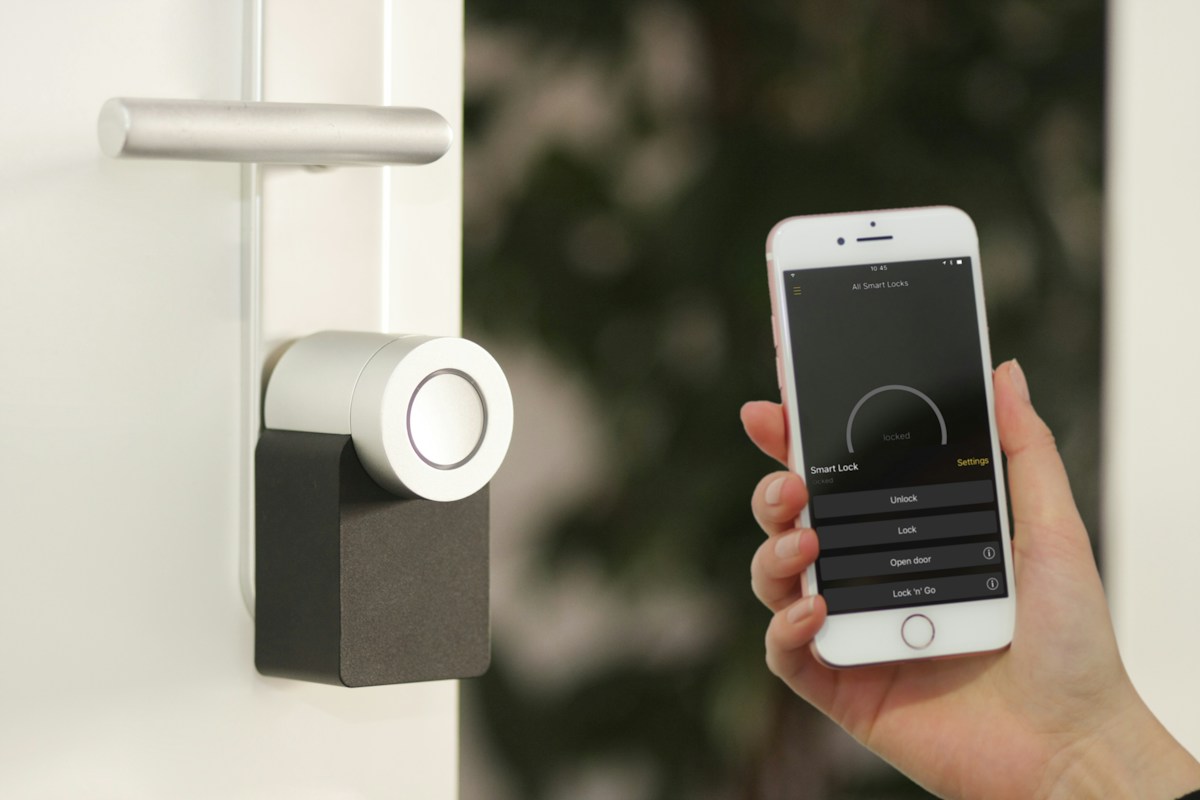
Comprehensive guide to IoT sensors for building automation. Learn about occupancy sensors, environmental monitors, energy meters, and wireless communication protocols.
# IoT Sensors for Smart Buildings
IoT sensors are the foundation of smart buildings, providing real-time data that enables intelligent automation, energy optimization, and enhanced occupant experiences.
## Essential Sensor Types
**Occupancy Sensors**: PIR, ultrasonic, or camera-based detection for lighting and HVAC control.
**Environmental Sensors**: Temperature, humidity, CO2, VOC, and particulate matter monitoring.
**Energy Meters**: Real-time electricity, water, and gas consumption measurement.
**Light Sensors**: Daylight harvesting for automatic lighting adjustment.
**Leak Detection**: Water leak sensors for early detection and damage prevention.
## Wireless Communication Protocols
**LoRaWAN**: Long-range, low-power for large buildings, 10+ year battery life.
**Zigbee**: Mesh networking, moderate range, good for dense sensor deployments.
**BLE (Bluetooth Low Energy)**: Short range, very low power, ideal for mobile integration.
**Wi-Fi**: High bandwidth, existing infrastructure, higher power consumption.
**Cellular (NB-IoT/LTE-M)**: Wide area coverage, no gateway required, subscription costs.
## Deployment Best Practices
**Coverage Planning**: Map sensor locations ensuring adequate coverage without gaps or overlaps.
**Power Strategy**: Balance battery-powered convenience with wired reliability based on application.
**Network Design**: Ensure robust wireless coverage with redundant gateways for critical areas.
**Data Management**: Implement edge processing to reduce cloud data transmission and costs.
## Integration with Building Systems
**HVAC Control**: Occupancy and environmental data optimize heating, cooling, and ventilation.
**Lighting Control**: Occupancy and light level data enable automatic dimming and switching.
**Energy Management**: Real-time consumption data identifies waste and optimization opportunities.
**Space Utilization**: Occupancy analytics inform workplace design and real estate decisions.
## Data Analytics and Insights
**Real-Time Monitoring**: Dashboards display current conditions and system status.
**Historical Analysis**: Identify patterns, trends, and anomalies over time.
**Predictive Maintenance**: Detect equipment degradation before failures occur.
**Optimization**: Continuously improve building performance based on data insights.
## Security and Privacy
**Data Encryption**: Encrypt sensor data in transit and at rest.
**Network Segmentation**: Isolate IoT networks from corporate IT systems.
**Access Control**: Restrict sensor configuration and data access to authorized personnel.
**Privacy Compliance**: Ensure occupancy monitoring complies with privacy regulations.
## Cost Considerations
**Sensor Costs**: AED 50-500 per sensor depending on type and capabilities.
**Gateway Infrastructure**: AED 2,000-5,000 per gateway (covers 50-200 sensors).
**Installation**: AED 100-300 per sensor for professional installation.
**Platform Fees**: AED 5-20 per sensor monthly for cloud platform and analytics.
## ROI Calculation
**Energy Savings**: 15-30% reduction in HVAC and lighting costs.
**Maintenance Optimization**: 20-40% reduction in maintenance costs through predictive approaches.
**Space Optimization**: 10-25% reduction in real estate costs through better space utilization.
Typical payback period: 12-24 months for comprehensive sensor deployments.
## Future Trends
**AI-Powered Analytics**: Machine learning algorithms automatically optimize building operations.
**Edge Computing**: More processing at the sensor level reduces latency and cloud costs.
**Energy Harvesting**: Self-powered sensors eliminate battery replacement requirements.
**5G Integration**: Ultra-low latency and massive device connectivity enable new applications.
## Conclusion
IoT sensors transform buildings into intelligent, responsive environments that optimize energy use, enhance comfort, and reduce operating costs. Aspects Integrated Solutions designs and implements comprehensive IoT sensor networks for UAE buildings.